

Brand Design
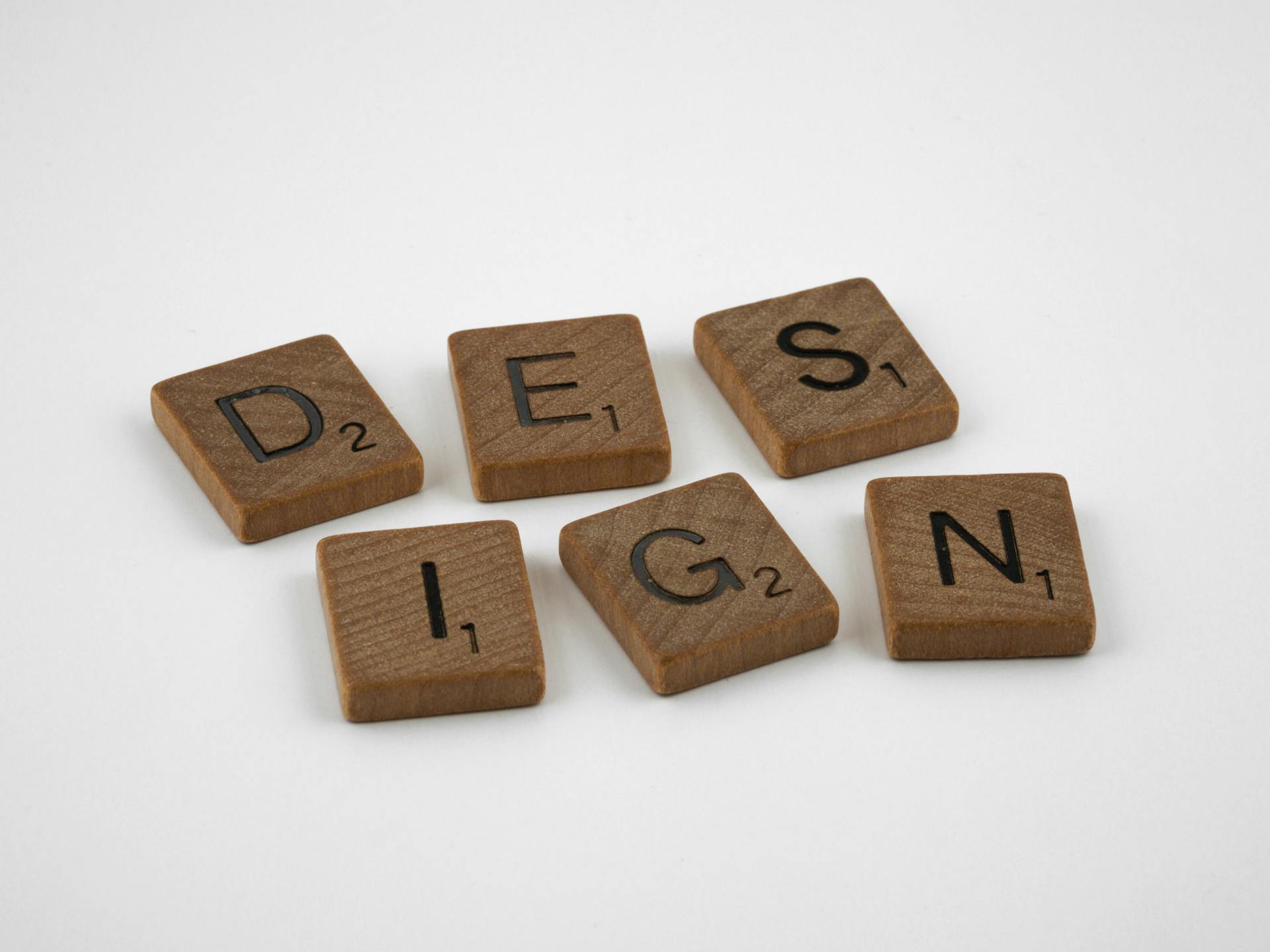
Creating a Strong, Memorable Identity
Brand design is the visual and emotional foundation of a business. It defines how a company looks, feels, and communicates with its audience. From logos and color palettes to typography and visual language, brand design shapes first impressions and influences long-term perception. A well-crafted brand identity builds recognition, trust, and loyalty in an increasingly competitive marketplace.
In a digital-first world where consumers are constantly exposed to new brands, strong design is no longer optional. It is a strategic asset that differentiates a business, communicates its values, and creates a consistent experience across every customer touchpoint.
What Is Brand Design?
Brand design is the process of creating a cohesive visual identity that represents a company’s personality, mission, and values. It goes beyond aesthetics to include strategic thinking about how a brand should be perceived by its audience.
Brand design typically includes elements such as logos, color schemes, typography, imagery, iconography, layout systems, and brand guidelines. Together, these elements create a unified look and feel that remains consistent across all platforms and materials.
Why Brand Design Matters
Brand design plays a critical role in how a business is perceived and remembered. It directly impacts credibility, recognition, and customer trust.
Creates Strong First Impressions
Customers often form opinions about a brand within seconds. A professional and visually appealing identity immediately signals reliability and quality.
Builds Brand Recognition
Consistent use of colors, fonts, and design elements makes a brand instantly recognizable. Over time, this familiarity strengthens brand recall and loyalty.
Communicates Values and Personality
Design choices subtly communicate what a brand stands for. Whether modern, playful, elegant, or bold, visual identity shapes emotional connections.
Core Elements of a Brand Design Service
A professional brand design service combines creativity with strategy to build identities that resonate with target audiences.
Brand Discovery and Research
The process begins with understanding the business, its goals, competitors, and audience. This research defines the brand’s positioning and visual direction.
Visual Identity Development
Designers create logos, color palettes, typography, and supporting graphics that reflect the brand’s personality and values.
Brand Guidelines Creation
Brand guidelines document how visual elements should be used across different platforms to maintain consistency and integrity.
Key Components of a Visual Identity
A strong visual identity is built from carefully selected and harmonized design elements.
Logo Design
The logo is the most recognizable symbol of a brand. It must be simple, versatile, and meaningful, working well across digital and print formats.
Color Palette
Colors evoke emotions and associations. A strategic color palette reinforces brand personality and improves visual consistency.
Typography
Fonts define the tone of communication. Typography choices influence readability, professionalism, and overall brand character.
Imagery and Graphic Elements
Images, icons, and patterns support storytelling and enhance visual cohesion across marketing materials.
The Brand Design Process
A structured design process ensures clarity, creativity, and alignment with business objectives.
Strategy and Concept Development
Designers translate brand values and positioning into visual concepts. Mood boards and creative directions guide this phase.
Design Execution and Refinement
Initial concepts are developed into detailed designs. Feedback is incorporated through multiple revisions.
Finalization and Delivery
Approved designs are prepared in multiple formats for web, print, and social platforms, along with brand guidelines.
Applications of Brand Design
Brand design extends across all customer-facing materials and experiences.
Digital Platforms
Websites, mobile apps, social media profiles, and email templates all require consistent visual branding.
Marketing Collateral
Brochures, presentations, advertisements, and banners reinforce brand identity across campaigns.
Packaging and Product Design
For product-based businesses, packaging design plays a key role in shelf appeal and customer perception.
Corporate and Internal Materials
Business cards, letterheads, internal documents, and office branding maintain professionalism and consistency.
Benefits of Professional Brand Design Services
Investing in professional brand design delivers long-term strategic advantages.
Strong Market Differentiation
A unique and cohesive identity helps businesses stand out from competitors.
Increased Credibility and Trust
Professional design signals reliability and seriousness, influencing purchasing decisions.
Consistent Brand Experience
Unified design across all channels creates a seamless and memorable customer journey.
Common Brand Design Challenges
Even experienced businesses face branding challenges that require expert guidance.
Inconsistent Visual Identity
Using different styles across platforms weakens brand recognition and trust.
Outdated Design
Trends and consumer preferences change over time, making periodic rebranding necessary.
Lack of Strategic Direction
Design without strategy may look good, but fail to communicate brand values or connect with audiences.
Other Services
Start Your Marketing Strategy Today
Partner with Digence to build a powerful digital marketing strategy that drives growth, improves visibility, and delivers measurable results.